Check Out a Museum Pass, a Cake Pan, and a Roku: The Library Card's Quiet Upgrade
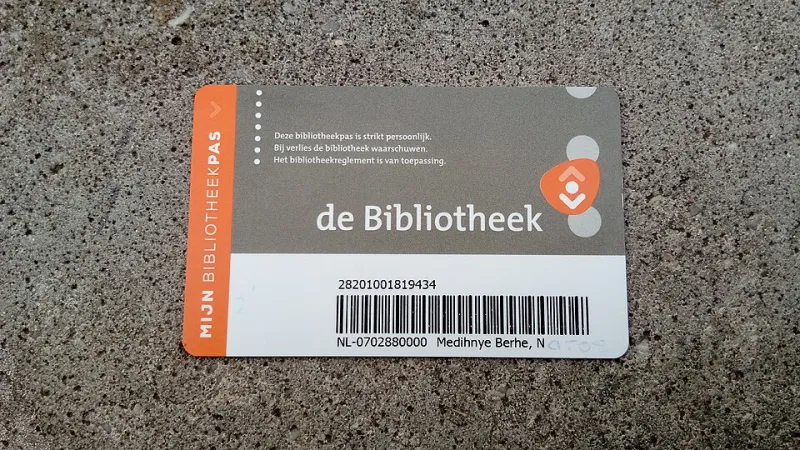
Photo: Donald Trung Quoc Don (Chữ Hán: 徵國單) - Wikimedia Commons - © CC BY-SA 4.0 International.(Want to use this image?)Original publication 📤: --Donald Trung 『徵國單』 (No Fake News 💬) (WikiProject Numismatics 💴) (Articles 📚) 23:31, 6 July 2019 (UTC), CC BY-
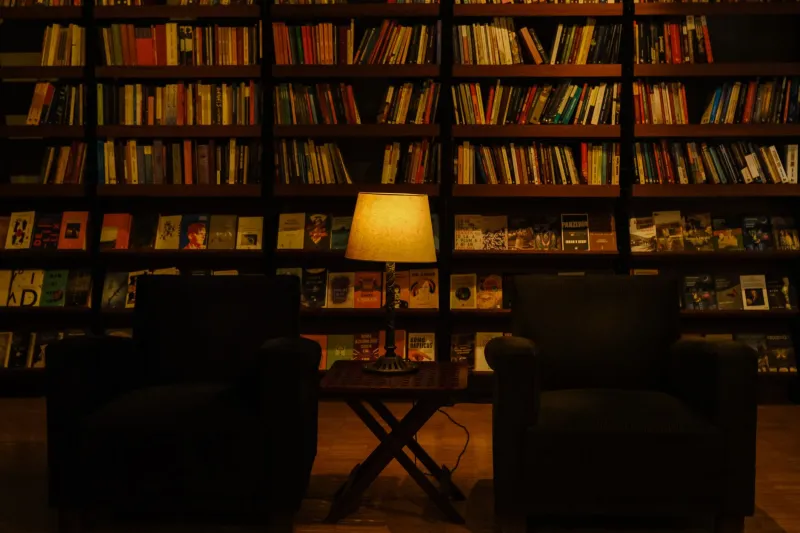
Walk into a public library in 2026 and you might leave with a paperback, a museum pass, a power drill, and a cake pan. That is not a typo. Across the country, library systems have spent the past decade turning the humble card in your wallet into something closer to a backstage pass to your own town. The books are still there, of course. But so are the telescopes, the seed packets, the hotspots, the streaming sticks, and the free admission tickets to places that would otherwise cost a family a small fortune.
More Than Books (But Also Still Books)
The phrase you will hear at many circulation desks is 'Library of Things.' Some systems lend cake pans because somebody in town wanted to bake a three-layer birthday cake once and did not want to buy a specialty pan for a single Saturday. Others lend sewing machines, ukuleles, metal detectors, bike locks, board games, and portable projectors. A few lend seeds for gardeners who promise to return a little of the harvest. The catalog looks less like a shelf and more like a neighbor's very well-organized garage.
None of this replaces books. It sits beside them. The same card that gets you a mystery novel also gets you a museum pass for the weekend, a hotspot during an internet outage, or a Roku stick for the guest room. The library did not become a gadget store. It became a community closet, and the card is the key.
The Librarian Is the Original Algorithm
Recommendation engines know what you clicked. A librarian knows what your neighbor checked out, what the book club argued about, and which mystery series stalls after volume three. That is not nostalgia; it is a different kind of discovery. The library is one of the last mainstream places where nobody is optimizing your attention for ad revenue. There is no autoplay. There is no infinite scroll. There is a person who says, 'Try this one, and if you hate it, bring it back.'
That human filter is part of why libraries feel newly valuable in 2026. We are drowning in recommendations and starved for trusted ones. A staff pick shelf is a small act of curation by someone who is not trying to sell you anything. The card gets you access to that judgment for free.
Why the Card Is Having a Moment
Subscription fatigue is real. Streaming services fragment, prices creep up, and every app wants another $7.99 a month. Against that backdrop, a library card is almost rude in its generosity. It is prepaid by taxes, but the marginal cost of using it is zero. You can check out a stack of books, a museum pass, and a streaming device and walk out without a receipt that makes you wince.
The pandemic years taught a lot of people to rediscover local resources, and the habit stuck. Libraries became cooling centers, warming centers, job-search hubs, and quiet rooms with reliable Wi-Fi. In 2026, the pitch is simple: one card, many loans, no upsell. That is a rare thing in American life.
The Fine Print
It is not a magic wand. Not every system lends tools. Popular museum passes may have waitlists. Some libraries restrict cards to residents of a specific city or county. Hours can be limited, and replacement fees for lost items are still a thing. The cake pan might already be spoken for by someone planning a wedding.
Still, the friction is lower than most people expect. Many systems let you reserve items online and pick them up at a hold shelf. Some have seed libraries that operate on the honor system. Others have tool collections that require a short safety waiver. The card is free, but using it well takes a little curiosity.
How to Actually Use It
Start by asking a librarian what the system lends beyond books. Search the catalog for 'museum pass,' 'hotspot,' 'tool,' or 'Library of Things.' Check the events calendar for free classes, movie nights, and author talks. Ask about interlibrary loan if your local branch does not have a title. If you have not been inside since high school, go on a Saturday morning and wander. The card is a low-stakes membership to your own town, and in 2026 that might be the best deal going.