Slow Down to Speed Up: The Real Reasons People Are Reaching for Pens, Records, and Film Cameras Again
There's something a little ironic about the fact that the most digitally connected generation in history is quietly building a market for fountain pens, 35mm film, and turntables. Walk into any Urban Outfitters, browse Etsy for five minutes, or scroll through certain corners of Instagram, and the evidence is everywhere: analog is having a serious moment.
But here's the question worth asking — is this just a vibe, or is something more meaningful going on?
Spoiler: it's both. And the distinction matters more than you might think.
The Friction Is the Feature
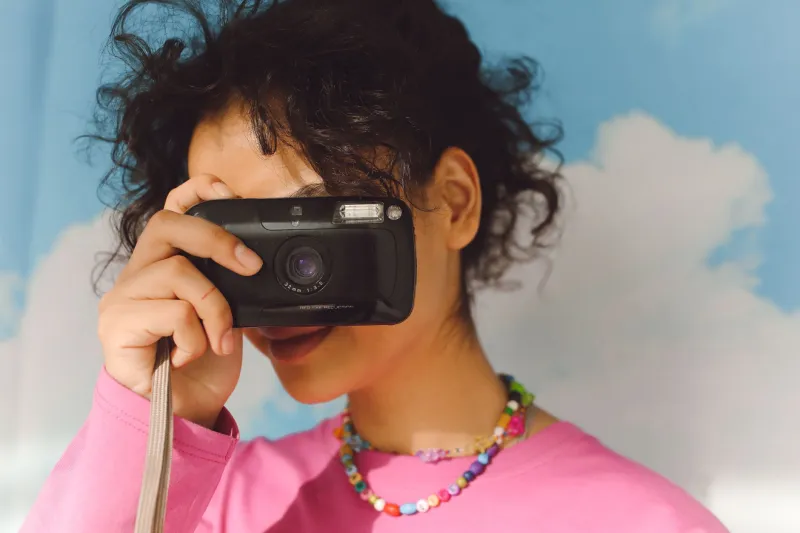
When you take a photo on your phone, you can shoot 40 versions of the same moment, edit them in seconds, and post before you've even fully experienced what you just captured. When you load a roll of 35mm film, you get 24 or 36 shots — period. You can't see them immediately. You have to wait, sometimes days, for the results.
For most of the smartphone era, that waiting was considered a flaw. Now, a lot of people are calling it a feature.
Psychologists who study attention and behavior have a name for this: "desirable difficulty." The idea is that when a task requires more effort, we engage with it more deeply and retain the experience more fully. Writing something by hand, for example, forces your brain to process information differently than typing does. Studies from Princeton and UCLA have shown that students who take notes longhand understand material better than those who type — even though typists record more words.
Apply that logic to everyday life and you start to understand why a 32-year-old marketing manager in Chicago might keep a paper planner despite having three calendar apps on her phone. The act of writing something down makes it feel more real, more committed, more hers.
Journals Are the Quiet Comeback Kid
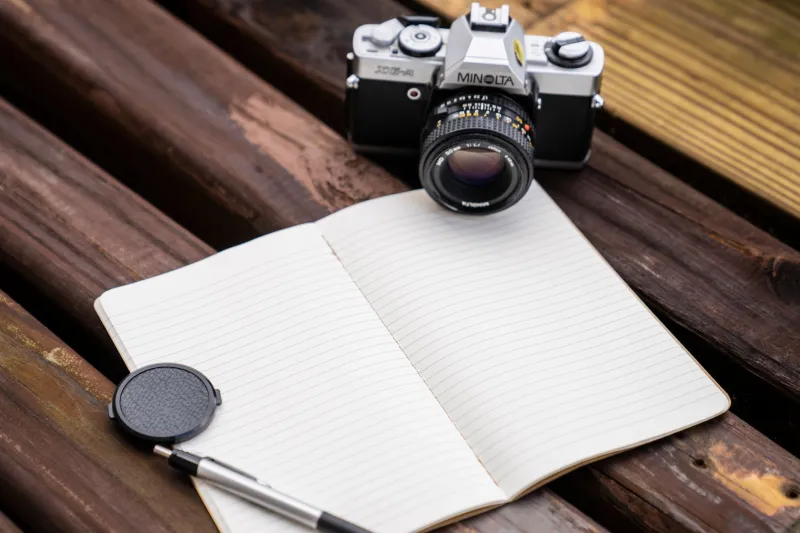
Of all the analog formats making a comeback, handwritten journaling might be the one with the most legitimate staying power. Bullet journaling — a system developed by designer Ryder Carroll that combines scheduling, to-do lists, and reflection in a single notebook — exploded in popularity in the late 2010s and has never really slowed down. The r/bulletjournal subreddit has over 400,000 members. Leuchtturm1917 and Moleskine both report consistent year-over-year growth in the US market.
What's driving it isn't nostalgia — most people who journal seriously aren't trying to recreate some imagined past. They're trying to carve out a space in their day that isn't tracked, optimized, or monetized. A notebook doesn't send you notifications. It doesn't suggest related content. It doesn't know your location.
Therapists have been recommending journaling for decades, but there's a new dimension to the appeal now: the journal as a screen-free zone. For a generation that grew up with every thought potentially publishable, the private analog page feels almost radical.
Vinyl's Resurgence Is Real — With Some Asterisks
Vinyl record sales in the US have been climbing for 17 consecutive years, according to the RIAA. In 2023, vinyl outsold CDs for the second year in a row. That's not a blip — that's a structural shift in how a significant portion of music listeners want to experience sound.
But let's be honest about what's happening here. Some of it is genuinely about the listening experience: the ritual of pulling a record from its sleeve, dropping the needle, and committing to an album side without shuffle. That kind of intentional listening is a real counter-cultural act in the age of Spotify's algorithmic playlists.
Some of it, though, is decor. A significant chunk of vinyl purchased today never gets played. It sits on a shelf as a personality statement, a conversation piece, proof that you have taste. That's not nothing — humans have always used objects to signal identity — but it's worth separating the genuine audio enthusiasts from the people who own a turntable they've used twice.
The enthusiasts are the ones keeping independent record stores alive. Places like Amoeba Music in Los Angeles or Grimey's in Nashville aren't just surviving — they're becoming community anchors in a way that feels genuinely surprising given everything we assumed about the death of physical retail.
Film Photography: The Most Committed Analog Hobby
If vinyl has its posers, film photography is the format that tends to filter them out pretty quickly. Shooting on film is expensive, slow, technically demanding, and completely unforgiving of the spray-and-pray approach that digital encourages. A single roll of Kodak Portra 400 plus development and scanning can run you $30 to $50 before you've seen a single image.
And yet, film photography communities are growing. Darkroom rental spaces are opening in cities across the country. Camera repair shops that were winding down a decade ago are reporting backlogs. Kodak brought back Ektachrome slide film in 2018 after discontinuing it, citing demand. Fujifilm keeps raising prices on its instant film and people keep buying it anyway.
The photographers who shoot film seriously tend to describe the experience in almost meditative terms. You slow down. You think before you shoot. You learn to read light differently. The camera becomes a reason to be fully present in a moment rather than a way to document it from a slight remove.
There's also something appealing about the unpredictability. Digital photography is, at its best, a precision instrument. Film has grain, light leaks, color shifts — imperfections that feel human in a way that even the most sophisticated Instagram filter can't quite replicate.
So What's Aesthetic Trend vs. Genuine Shift?
Here's a useful test: does the analog format require you to actually engage with it, or does it just need to look good in a photo?
A journal you write in every morning is a habit. A journal sitting prettily on your desk next to a latte is a prop. A turntable you play records on while cooking dinner is a ritual. A turntable you own so your apartment looks like a music lover lives there is furniture.
The formats that are experiencing genuine, lasting resurgence share a common trait: they demand something from you. They require patience, attention, and a willingness to accept imperfection. That's not an accident. In a world engineered for frictionless convenience, a growing number of people are actively seeking out experiences that push back a little.
Whether that's a passing reaction to digital burnout or a permanent recalibration of how people want to spend their time remains to be seen. But the sales numbers, the community spaces, and the sheer enthusiasm of the people involved suggest this isn't going away anytime soon.
Sometimes the slowest tool in the room turns out to be exactly what you needed.