Offline by Choice: The Young Americans Trading Smartphones for Simpler Tech

Somewhere between the fifth notification of the morning and the third doom-scroll session before noon, something snapped for Jenna Calloway, a 26-year-old graphic designer from Portland, Oregon. She didn't smash her phone or go full hermit. She just bought a $40 flip phone from eBay, canceled her data plan, and started carrying a disposable camera to parties.
That was eight months ago. She hasn't looked back.
"People think I'm being dramatic," she laughs. "But honestly? I feel like I got my brain back."
Jenna isn't alone. Across the country, a quietly growing wave of young Americans — the very generation raised on social media and high-speed everything — is deliberately choosing older, slower, simpler technology. Film cameras. Landlines. Handwritten letters. Printed journals. Basic phones with T9 keyboards. The trend has a certain irony to it: the people who were supposed to lead us further into the digital future are the ones pumping the brakes hardest.
The Burnout Behind the Backlash
To understand why someone would voluntarily downgrade their phone, you have to understand what smartphones have quietly become. For many users, they're not just communication tools anymore — they're anxiety machines. Push notifications, algorithmic feeds designed to keep you scrolling, group chats that never sleep, the constant pressure to document your life in real time. It adds up.
According to a 2023 Pew Research report, nearly half of Americans say they feel overwhelmed by the amount of information they consume online. Among adults under 35, that number is even higher. The phone, for all its utility, has become something many people feel trapped by rather than empowered by.
The analog comeback isn't really about nostalgia, though that's part of it. It's more of a deliberate detox — a way of reclaiming attention in an era that's constantly trying to steal it.
"I didn't want to quit the internet entirely," says Marcus Webb, a 31-year-old teacher in Austin, Texas, who switched to a basic Nokia phone two years ago. "I just wanted to stop being available to it every second of the day. My Nokia does calls and texts. That's it. And honestly, my relationships are better now because when I'm with someone, I'm actually with them."
Film Is Having a Serious Moment
Maybe nowhere is the analog revival more visible than in photography. Film cameras — the kind your parents probably shoved in a closet after going digital — are flying off shelves at thrift stores, pawn shops, and online marketplaces. The Kodak Ektar 100 and Fujifilm disposables have become almost fashionable accessories at concerts and house parties.
eBay reported a significant spike in film camera searches starting around 2021, and that interest hasn't cooled. Meanwhile, companies like Kodak have quietly ramped up film production again to meet demand. Even Polaroid, which nearly went bankrupt in the early 2000s, is now a thriving business catering largely to buyers under 30.
What's the appeal? Part of it is aesthetic — film photos have a warmth and grain that no Instagram filter can perfectly replicate. But a bigger part is the experience itself. When you only have 24 or 36 shots on a roll, you think before you shoot. You're present. You're not spending the next 20 minutes editing and captioning. You just... take the picture and move on.
"There's something really freeing about not being able to immediately see what you took," says Priya Nair, a 24-year-old student in Chicago who shoots on a Canon AE-1 she found at a garage sale. "You have to wait. And waiting for something feels kind of radical right now."
The Return of the Handwritten Letter
If film cameras are the flashiest part of the analog revival, handwritten letters might be its most intimate corner. Pen pal communities have exploded on Reddit and Instagram (yes, the irony is noted), with thousands of Americans signing up to exchange physical letters with strangers and friends alike.
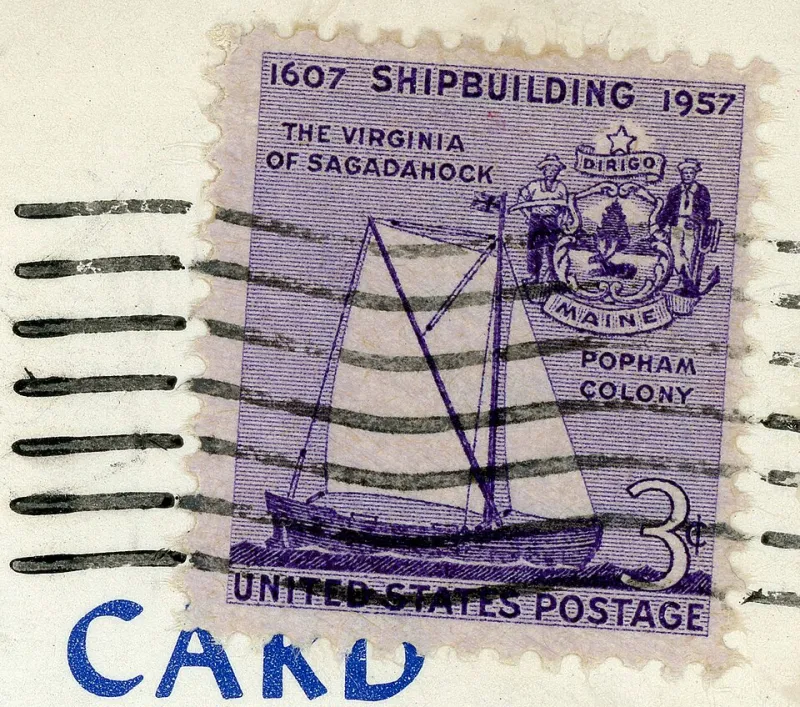
The USPS, which has spent years watching its first-class mail volume decline, has quietly seen a small but meaningful uptick in personal correspondence. Stationery brands like Rifle Paper Co. and smaller Etsy shops selling wax seals and vintage stamps are reporting strong sales among younger customers.
For many people, writing a letter forces a kind of intentionality that typing never does. You can't just dash off a letter and delete it. You have to think. You have to commit. And when someone receives it, they know you meant it.
"I have a box of letters from my best friend," says Calloway. "She lives in Nashville now. We text too, obviously, but the letters feel different. Like, I'll keep those forever. I won't keep a text thread."
New Markets, Old Machines
The business world has noticed. Vintage electronics dealers who once relied on boomer collectors are now selling to 22-year-olds. Thrift stores in major cities have started pricing typewriters and film cameras higher because they know exactly who's coming for them. Meanwhile, a new generation of repair shops has sprung up, offering to service vintage cameras and old audio equipment for customers who want their analog gear to last.
Even some tech companies are adapting. The Light Phone, a minimalist device that does almost nothing by smartphone standards, has found a devoted following. Punkt, a Swiss company, sells a sleek basic phone that looks like something from a design museum. These aren't cheap — the Light Phone II runs about $300 — but people are paying it.
There's also a growing cottage industry around "digital detox" retreats, where participants surrender their devices for a weekend in exchange for hiking, journaling, and face-to-face conversation. Spots at these retreats, which can run $500 or more, often sell out weeks in advance.
What Are People Actually Giving Up?
Let's be honest: going analog isn't all romance and liberation. There are real trade-offs.
Maps are harder without GPS. Coordinating plans takes more effort. You can't Venmo someone from a flip phone. Missing a group chat means actually missing things. And for people whose jobs are tied to email and Slack, a full digital detox is simply not realistic.
Most people in this movement aren't going cold turkey anyway. The more common approach is what some call "analog layering" — keeping a smartphone for work and navigation while deliberately adding analog tools for personal life. A film camera for social events. A paper journal instead of Notes app. A letter instead of a long text.
"It's not all or nothing," Marcus Webb says. "I still have a laptop. I still use email for work. I just stopped carrying the internet in my pocket everywhere I go. That one change made a bigger difference than I expected."
The Bigger Picture
What's really happening here isn't a rejection of technology — it's a renegotiation of the terms. Young Americans aren't anti-tech. They're anti-obligation. They want to use tools on their own schedule, at their own pace, without the constant pull of an algorithm deciding what deserves their attention next.
In that sense, the analog comeback is less about going backward and more about pushing back. It's a generation drawing a line and saying: this is mine. My time, my attention, my afternoon. Not yours.
And sometimes, that line looks like a disposable camera or a handwritten envelope with a stamp that took five minutes to find.
Which, honestly, sounds kind of great.