What's Really Hiding Behind Your Cabinet Doors? Americans Are Opening Up and Finding Out
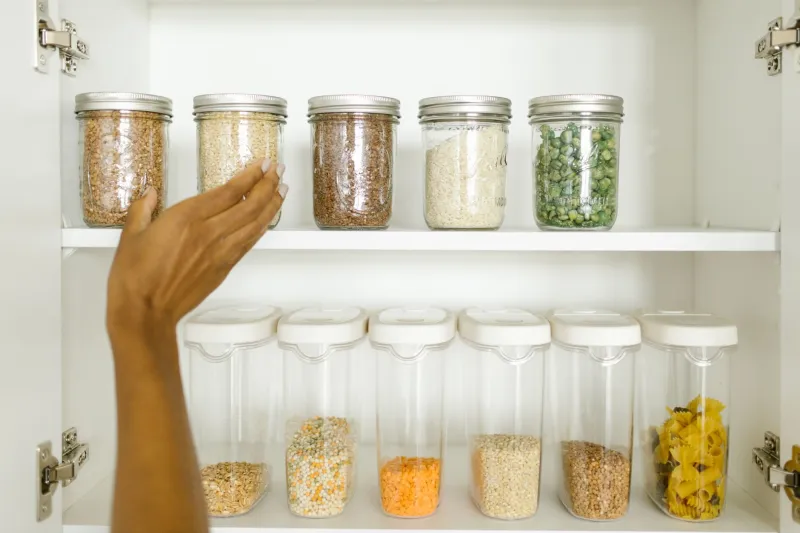
There's a jar in the back of your cabinet. You don't know exactly when you bought it. The label is faded. It might be cumin. It might be chili powder. It might be something you picked up at a farmers market three years ago with the very best of intentions.
Sound familiar? You're not alone — and apparently, a whole lot of Americans are finally doing something about it.
A growing number of people are conducting what's been loosely dubbed the "pantry audit": a deliberate, sometimes humbling, occasionally hilarious deep-dive into the forgotten corners of their kitchen storage. What started as a practical response to tighter grocery budgets and a post-pandemic interest in cooking at home has turned into something genuinely satisfying for the people doing it. And the ripple effects are changing the way Americans think about food, shopping, and waste.
The Pantry as a Time Capsule
Here's the thing about kitchen cabinets — they're basically edible archaeology. Pull everything out and you'll find a timeline of your life: the tahini you bought during that brief hummus phase, the quinoa from when you were definitely going to eat healthier, the fish sauce that arrived in a meal kit box and never quite made it into regular rotation.
People posting their pantry hauls on social media have turned the whole exercise into a kind of confessional comedy. There's a specific shared joy in finding not one, not two, but four half-empty bottles of soy sauce. Or discovering that you've been buying the same type of lentils for years while forgetting you already had them.
But beyond the laughs, there's something genuinely eye-opening about the experience. Most people have no real mental inventory of what they own. Grocery shopping often runs on autopilot — you grab what feels familiar without ever checking what's already waiting at home. The pantry audit forces a pause, and that pause turns out to be kind of revelatory.
What People Are Actually Finding
The discoveries range from mildly surprising to genuinely shocking. Expired canned goods from five or more years ago are common. Duplicate spices — sometimes in triplicate — are practically universal. Specialty ingredients bought for a single recipe and never touched again are so standard they've become a meme in their own right (looking at you, miso paste and whole star anise).
But people are also finding treasures. Forgotten bags of pasta. Perfectly good dried beans. Canned tomatoes that form the backbone of a dozen easy meals. The pantry audit has a funny way of turning "there's nothing to eat" into "actually, I could make four different dinners with what I already have."
That realization — that you're already stocked, you just didn't know it — is a big part of why this trend is catching on. In an era of rising grocery prices, finding usable food you already paid for feels like a small but real financial win.
The Food Waste Factor
The United States wastes an enormous amount of food — estimates regularly put it somewhere around 30 to 40 percent of the food supply, with households accounting for a significant chunk of that. A lot of that waste starts in the pantry, not the refrigerator. Dry goods get pushed to the back, forgotten, and eventually tossed when someone finally notices the expiration date has come and gone by a wide margin.
The pantry audit, at its core, is a practical intervention against that cycle. When you know what you have, you use it. When you use it, you waste less. And when you waste less, you spend less at the store.
For people who've made the audit a regular habit — some do it quarterly, others before every major grocery run — the impact on their food waste has been noticeable. Fewer expired cans. Fewer mystery jars. More intentional cooking.
Cooking From Scratch Gets a Second Look
Here's an unexpected side effect: the pantry audit is nudging people back toward cooking from scratch. When you're staring down a shelf of dry ingredients you actually want to use up, convenience foods suddenly seem less appealing. You've got the lentils. You've got the canned tomatoes. You've got (apparently) six different kinds of dried pasta. You might as well make something.
There's been a noticeable uptick in interest around "pantry cooking" — the practice of building meals around what you already have rather than shopping for a specific recipe. It's a style of cooking that used to be second nature for previous generations and is now being rediscovered by people who grew up in an era of hyper-specific meal kits and recipe apps that send you to the store for three specialty items.
Cooking from your pantry requires a little more improvisation and creativity, which turns out to be exactly the kind of low-stakes challenge a lot of people are craving right now. It's problem-solving with dinner as the reward.
How It's Changing Shopping Habits
Once you've done a real pantry audit, grocery shopping never quite looks the same. The impulse buy of a "fun" ingredient loses some of its appeal when you know you've got seventeen similar impulse buys already sitting at home. The bulk section, once irresistible, starts to feel like a trap.
People who've made auditing a habit describe becoming more deliberate shoppers — buying less, but using more of what they buy. Some have adopted a simple rule: don't buy a new version of something until the one you have is actually gone. It sounds obvious, but for most households, it's a genuine shift in behavior.
Shopping lists get shorter. Grocery bills, over time, tend to follow. And the weird, slightly smug satisfaction of using up the last of something before restocking? Apparently, it's quite the feeling.
The Oddly Satisfying Part Nobody Talks About
Beyond the practical benefits, there's a psychological dimension to the pantry audit that's harder to quantify but very real for the people experiencing it. There's something deeply satisfying about imposing order on a space that's been quietly chaotic for years. About knowing exactly what you have. About making use of something that might otherwise go to waste.
It taps into the same energy as a really good closet clean-out or a phone photo organization session — that particular pleasure of getting your actual life to match the organized, intentional version of your life you have in your head.
In a world that often feels overwhelming and out of control, a clean, well-organized pantry where you know exactly what's on every shelf is a small but meaningful act of getting your house in order. Literally.
So maybe start there. Pull everything out. Make the pile. Figure out what that jar actually is. You might be surprised what you find — and what you end up making for dinner.